Hash: the original concentrate.
Centuries before the lab, there was hash — resin collected by hand, by screen, or by water.
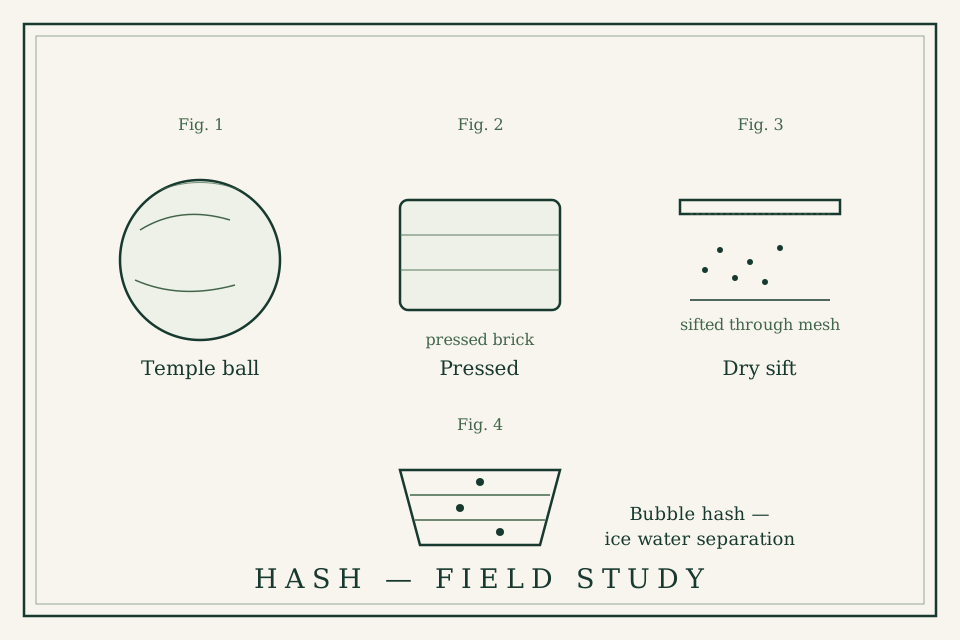
The oldest method on the shelf
Hash is the original cannabis concentrate, made for centuries across Central Asia, the Middle East, and North Africa. Every traditional method does the same thing: separate the trichome heads from the plant, then press them together. No chemicals, no lab — just separation and pressure.
Dry sift
Dried plant material is shaken or tumbled over fine mesh screens. The trichome heads are small enough to fall through; most plant material isn't. What collects below the screen is dry sift — loose, powdery resin glands, graded by the micron size of the screen. Finer screens catch finer heads.
Bubble hash (ice water hash)
Plant material goes into ice water and gets agitated. Cold makes the trichome heads brittle; agitation knocks them loose. The heads sink while most plant material floats or stays suspended, and a series of increasingly fine filter bags — bubble bags — catches them by size. The name comes from how full-melt grades bubble when heated.
Temple balls and pressed hash
Loose resin gets pressed — by hand, by heat, or by machine — into balls, bricks, or coins. Pressing ruptures some trichome heads, which is why pressed hash is darker and stickier than the loose sift it started as. A temple ball is the hand-rolled sphere; a pressed brick is the same idea at scale.
Age changes hash the way it changes everything else: oxidation darkens it, terpenes fade first, and the aroma shifts from bright to deep. Traditional markets graded hash by origin and texture long before lab reports existed — the modern label just writes down what the old hands knew by feel.
Cannascenti is an education reference, not medical advice. Cannabis laws vary by state and country — buy only where it is legal, and only from licensed sellers.
 Mary JaneCannascenti's AI guide