Concentrates, explained.
Cannabis with the plant material removed and the chemistry kept. Also called extracts — the two words mean the same shelf.
What this section is
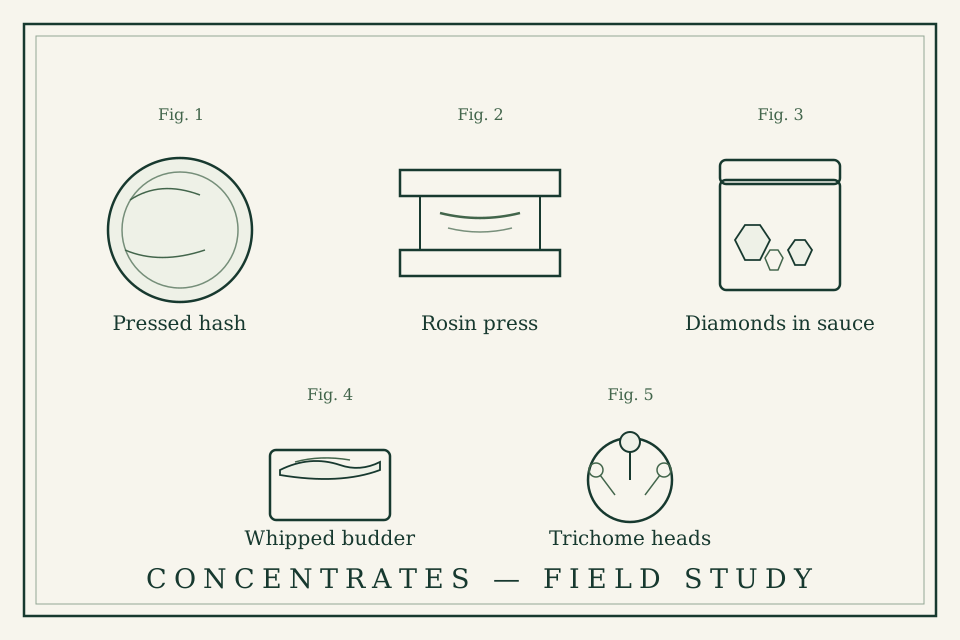
A concentrate is cannabis with most of the plant material taken out, leaving the resin — the trichome heads where the cannabinoids and terpenes live. Extract means the same thing: the resin was extracted from the plant. Dispensaries use both words for the same shelf, so this section uses both.
Eight short articles: the two extraction roads, the traditional forms, the modern textures, and how to read the label on any of them. No rankings, no promises — just what the words mean and how the products are made.
Solvent vs. solventless: the two roads.
Hydrocarbons, CO2, ice water, and pressure — the methods behind every concentrate, and what "purged" actually means.
CONCENTRATES 02 ↗Hash: the original concentrate.
Dry sift, bubble hash, temple balls — the traditional forms, centuries before the lab.
CONCENTRATES 03 ↗Kief: the trichomes themselves.
Loose resin glands, nothing added, nothing extracted — and why it collects in your grinder.
CONCENTRATES 04 ↗Rosin: heat, pressure, nothing else.
Flower rosin, hash rosin, live rosin — plus how 710 Labs tiers their hash, in their own words.
CONCENTRATES 05 ↗Live resin: frozen fresh, extracted with hydrocarbons.
Fresh-frozen starting material, butane and propane, and what purging does.
CONCENTRATES 06 ↗Diamonds and sauce: crystals in terpenes.
THCA diamonds and the terp sauce they grow in — separated, then reunited in the jar.
CONCENTRATES 07 ↗Badder, budder, sugar, crumble: texture words.
Whipped, creamy, crystalline, crumbly — what the texture names describe, plus cold cure.
CONCENTRATES 08 ↗How to read a concentrate label.
Batch numbers, test dates, THC percentages, and the lab name — what each one tells you.
Cannascenti is an education reference, not medical advice. Cannabis laws vary by state and country — buy only where it is legal, and only from licensed sellers.
 Mary JaneCannascenti's AI guide