How to read a concentrate label.
Batch, test date, THC percentage, lab name. Four pieces of print that matter more than the texture name.
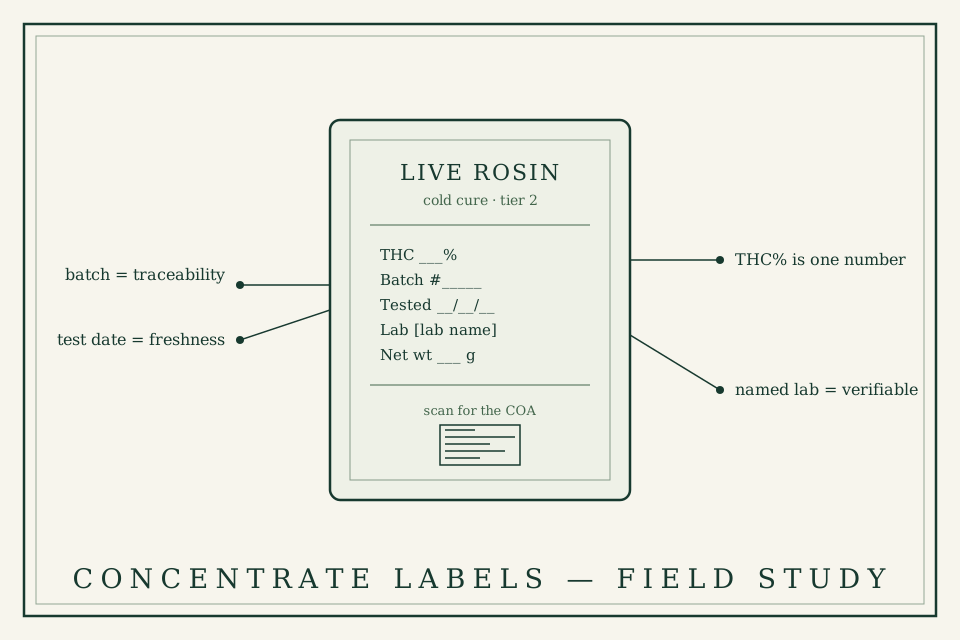
The batch number
Every licensed concentrate carries a batch or lot number — the identifier that ties the jar in your hand to the lab report for the specific production run it came from. No batch number, no traceability. This is the single most important thing on the label: it's what makes everything else verifiable.
The test date
Next to the batch number, look for when the batch was tested — and, if printed, when it was packaged. Concentrates age: terpenes are volatile, textures shift, and the lab report describes the product as it was on the test date, not as it is today. A test date from two years ago is information, not a verdict — but it's information worth having.
The THC percentage
Concentrate labels lead with potency — often 60–90%+ THC — because concentration is the point of the category. But the percentage is one number about one compound. It tells you nothing about the terpene content, the extraction method, or the starting material. Two jars at 75% THC can be entirely different products.
Also note the units: some labels report THCA (the acidic form) rather than THC, or list both. They're related but not identical — the label guide in Beyond the Percentage covers the distinction.
The lab name
A named, licensed testing lab is what separates a claim from a measurement. The label should name the lab; the lab's report (the COA, often via QR code) should show the matching batch number. If the QR leads nowhere or the batch numbers don't match, that's an answer — a dead end is data.
Net weight and the rest
Net weight (usually 0.5g or 1.0g for concentrates) tells you how much product the numbers describe. Ingredients or additives — rare in this category, but some products add terpenes back — should be listed. And the standard warnings and legal markings vary by state, but their presence confirms the product came through the licensed system.
Cannascenti is an education reference, not medical advice. Cannabis laws vary by state and country — buy only where it is legal, and only from licensed sellers.
 Mary JaneCannascenti's AI guide