Rosin: heat, pressure, nothing else.
Squeeze the resin out like an olive press. No solvents, no water — just heat and pressure.
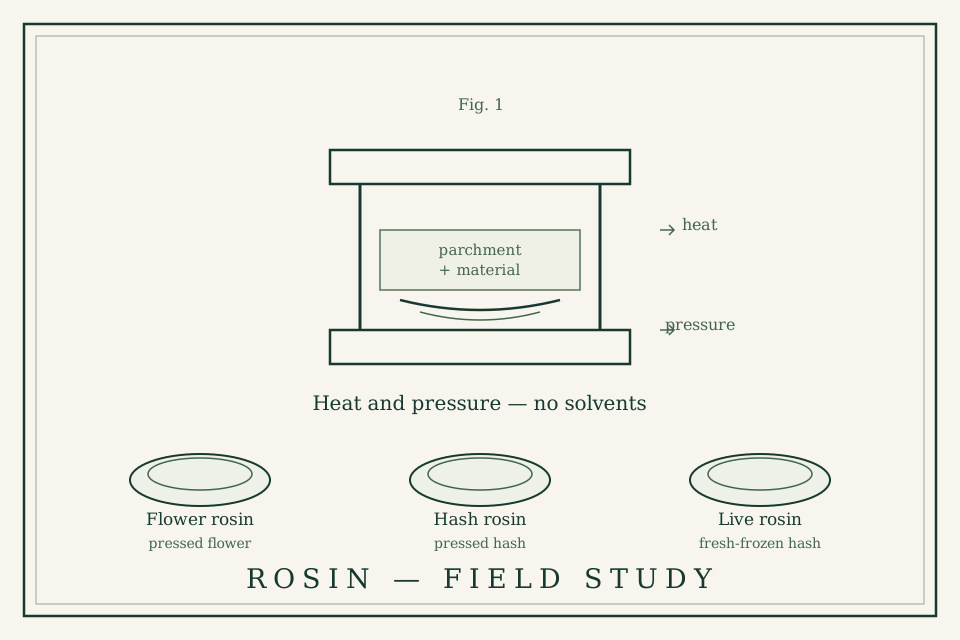
The method in one sentence
Rosin is made by pressing cannabis material between heated plates. The heat softens the resin, the pressure squeezes it out, and it flows onto parchment paper as a golden oil that cools into a stable concentrate. The entire method is mechanical — the only inputs are the starting material, temperature, and force.
Three rosins, three starting materials
Flower rosin is pressed directly from dried flower. It's the simplest version — flower in, rosin out — and the yield carries more plant compounds along with the resin.
Hash rosin is pressed from hash (usually bubble hash) instead of flower. Because the starting material is already concentrated resin, the result is typically cleaner — fewer plant compounds, more of what you came for. Most connoisseur-grade rosin is hash rosin.
Live rosin is hash rosin made from fresh-frozen starting material — plant frozen immediately at harvest, never dried or cured. Freezing preserves the volatile terpenes that drying drives off, which is why live rosin is prized for flavor. The "live" always refers to the fresh-frozen starting material, never to the extraction itself.
How one respected maker tiers their hash
710 Labs, one of the most respected hash makers in the legal market, publicly tiers their extracts from 1 to 4. This is their system — a brand's internal grading, not a universal standard. Another maker's "tier 1" may mean something entirely different. With that framing, here's their scale:
Tier 1 — the best of the best. Reserved for hash hitting on all levels: the grow, the harvest, the wash, the press. Often low-yielding exotic cultivars. Fewer than 10% of their products meet this bar.
Tier 2 — high-demand genetics delivering on the cultivar's potential. All about the terps; only the most flavorful selections make it.
Tier 3 — the house staples. Consistent, dialed-in cultivars with reliable flavor and quality — not the most unique terpene profiles, but dependable.
Tier 4 — clean, quality hash that didn't knock it out of the park. Less robust flavor, but smooth and potent.
The honest takeaway: tiers describe where a batch landed in one maker's judgment. Useful for navigating that brand's shelf; not a universal quality language.
Cannascenti is an education reference, not medical advice. Cannabis laws vary by state and country — buy only where it is legal, and only from licensed sellers.
 Mary JaneCannascenti's AI guide